Ozempic face: why your face changes with weight loss, and what helps
"Ozempic face" is a nickname for the hollow or looser look some faces get with weight loss. It comes from losing facial fat, plus skin that is less elastic with age, and similar changes happen after large weight loss of any kind. Enough protein, strength training and sun protection help protect your skin and muscle, and fillers can restore some volume.
Reviewed by Darshan Patel, MD, Obesity medicine physician, on 2026-11-12. Next review 2027-05-11.
Book my consultation Video consultations with an obesity medicine physician. Most major insurance accepted, plus convenient cash pay options.
You're not imagining it
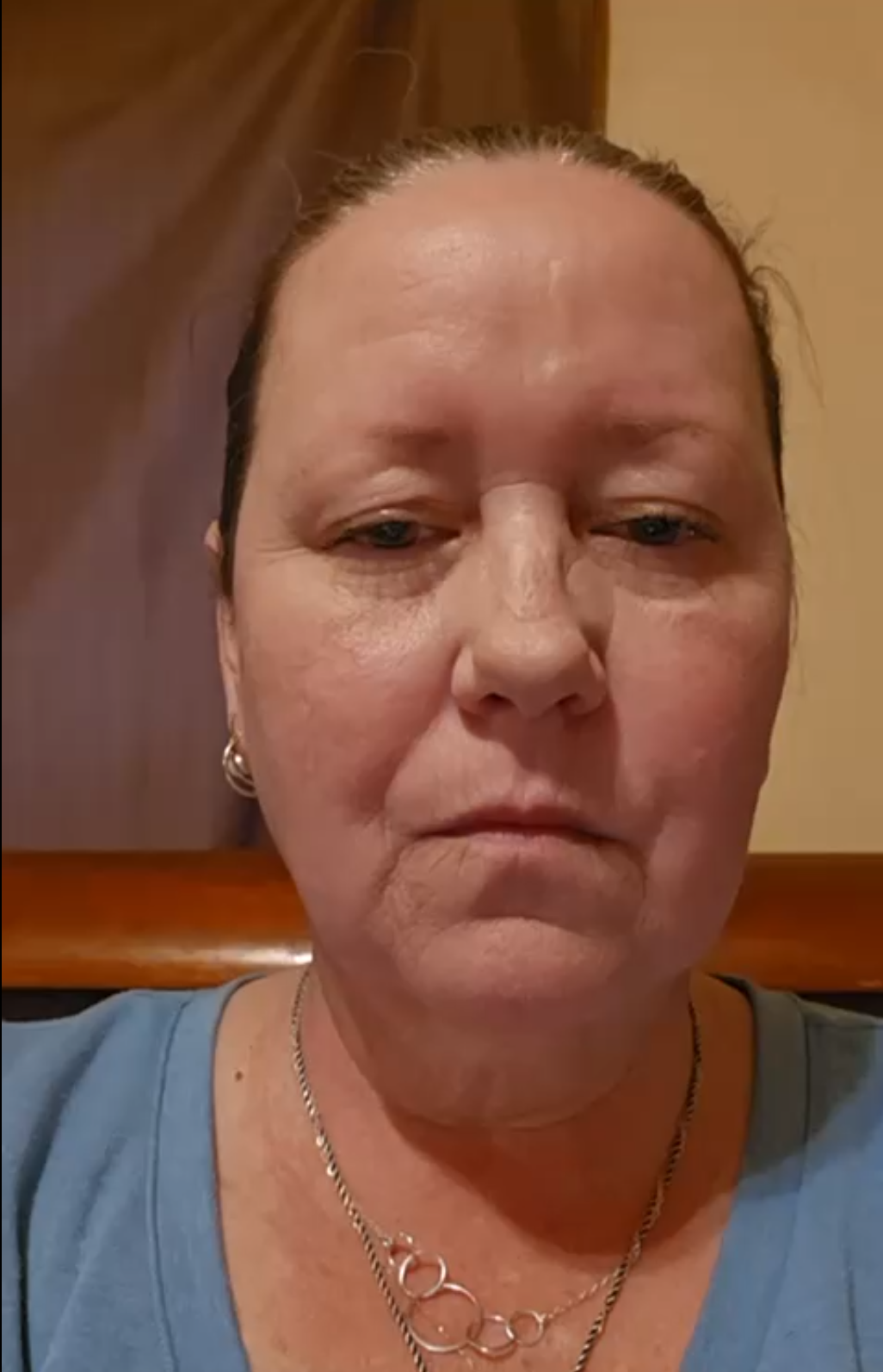
You're losing weight, your labs are improving, and then one day the mirror catches you off guard. Your cheeks look flatter, the lines around your mouth look deeper, or your skin seems looser than it did. It's a common worry, and it doesn't mean you're doing anything wrong.
The good news: there's a lot you can do to protect your face and skin while the weight comes off.
Why your face changes
- Fat loss shows in the face. Reviews link facial hollowing to the loss of fat under the skin. One 2026 review found midface volume fell by about 7% for every 10 kilograms (about 22 pounds) of weight lost.
- It's about the weight loss, not one medicine. Similar changes happen after other kinds of substantial weight loss. "Ozempic face" is a nickname, and the same review notes that it can suggest a drug-specific side effect, while the evidence points to weight loss on top of normal aging.
- Skin changes too. Reviews describe thinner skin, loss of collagen and elastin, and less elasticity. Fat loss in some areas can leave folds of extra skin.
- Some people notice it more. Changes are more visible in older adults, after larger losses, and after a long history of obesity.
Does a slower pace help?
Maybe. One review lists rapid weight loss as a risk factor and suggests a gradual pace. Another says the effect of speed on its own, apart from how much you lose, is still uncertain. If the pace worries you, bring it up with your physician rather than skipping doses on your own.
What protects your face, skin and muscle
- Protein at every meal. Low protein intake is listed as a risk factor for skin changes. A joint advisory on GLP-1 care notes that about 1.2 to 1.6 grams of protein per kilogram of body weight a day has been proposed during active weight loss, or roughly 80 to 120 grams a day.
- Strength work. Part of the weight lost on GLP-1 medicines is lean tissue, from about 15% or less to 40% to 60% depending on the study. Federal guidelines call for muscle-strengthening activity at least 2 days a week, and the GLP-1 advisory suggests strength training at least 3 times a week.
- Water. Poor hydration is listed as a risk factor too.
- Sun protection. Broad-spectrum sunscreen with SPF 15 or higher helps protect against the UV rays that raise the risk of skin cancer and early skin aging. Shade and clothing help as well.
Realistic options if you want more
- Dermal fillers. FDA has approved them for moderate to severe facial wrinkles and folds and to add volume to the cheeks, lips and chin in adults 22 and older. Some are absorbed over time, so the treatment may need repeating.
- Know what the evidence says. A 2026 review found that studies of cosmetic treatments after GLP-1 weight loss are limited and mostly lack a comparison group.
- Choose the right person. FDA suggests a licensed health care professional with experience in dermatology or plastic surgery, using FDA-approved fillers.
How Aayu Well helps
The best plan protects your health and how you feel about your face. At Aayu Well, that's the whole team's job.
- Aayu Elevate™: video visits with an obesity medicine physician, a registered dietitian, and medicine when it's right for you.
- Your pace, reviewed. Your physician looks at how fast you're losing and how you're tolerating your medicine, and adjusts the plan with you.
- Meals that protect muscle. Your dietitian helps you hit your protein target with food you enjoy.
Most major insurance accepted, plus convenient cash pay options. Book my consultation
Questions to bring to your visit
- Is my pace of weight loss right for me?
- How much protein should I aim for, and how do I get it when I'm not hungry?
- What strength routine fits my schedule and joints?
- Should I wait until my weight settles before thinking about fillers?
Good to know
- Fillers are a medical procedure with real risks, including accidental injection into a blood vessel, which can harm skin or affect vision. Choose an experienced, licensed clinician.
- Before you lower your dose or stop a GLP-1 because of your face, talk with your physician. Together you can look at other ways to adjust the plan.
- Curious what GLP-1 medicines do beyond the scale? See GLP-1s as longevity medicine, or our healthy aging guide. Wondering about peptides for skin? Our peptide guide grades the evidence. How we review our guides.
Questions people ask
Can an Aayu Well physician help with face changes on a GLP-1?
Yes, with the parts that shape how you look and feel from the inside: the pace of your weight loss, your medicine, your protein and your strength work. A registered dietitian helps you plan meals that protect your muscle. For fillers or other cosmetic treatments, we'll point you to a dermatologist or plastic surgeon.
Is 'Ozempic face' caused by the medicine itself?
The evidence points to weight loss, not the medicine. Similar facial changes happen after other kinds of substantial weight loss, and a 2026 review of 46 reports concluded that the evidence favors deflation of the face with weight loss, on top of each person's anatomy and aging.
Does losing weight more slowly prevent it?
It may help, but it isn't proven. One review lists rapid weight loss as a risk factor and suggests gradual loss, while another says the effect of speed on its own is still uncertain. Talk with your physician before changing your dose.
How much protein do I need on a GLP-1?
A joint advisory from four obesity and nutrition societies notes that about 1.2 to 1.6 grams of protein per kilogram of body weight a day has been proposed during active weight loss, or roughly 80 to 120 grams a day. Your dietitian can set a target that fits you.
Do fillers help?
They can add volume. FDA has approved dermal fillers for moderate to severe facial wrinkles and folds and for adding volume to the cheeks, lips and chin. Results can be temporary because some fillers are absorbed over time, and studies of treatments after GLP-1 weight loss are still limited.
Get a plan that protects your muscle, skin and health
In one video visit, an obesity medicine physician looks at your pace of weight loss, your medicine, your protein and your activity, and a registered dietitian helps you turn that into meals you can actually make. Most major insurance accepted, plus convenient cash pay options.
Sources
- Yoo KH. Glucagon-like peptide-1 receptor agonist-associated facial changes: a comprehensive review of pathophysiology, clinical manifestations, risk factors, prevention, and management. Aesthet Surg J. 2026 Oct 14. doi:10.1093/asj/sjag230
- Barone M, et al. Effects of GLP-1 receptor agonists on skin quality: a comprehensive literature review. Aesthetic Plast Surg. 2026;50(13):5403-5407.
- Mozaffarian D, et al. Nutritional priorities to support GLP-1 therapy for obesity: a joint advisory from the American College of Lifestyle Medicine, the American Society for Nutrition, the Obesity Medicine Association and The Obesity Society. Am J Clin Nutr. 2025;122(1):344-367.
- Neeland IJ, et al. Changes in lean body mass with glucagon-like peptide-1-based therapies and mitigation strategies. Diabetes Obes Metab. 2024;26(Suppl 4):16-27.
- HHS: Top 10 things to know about the Physical Activity Guidelines for Americans, 2nd edition
- FDA: Tips to stay safe in the sun, from sunscreen to sunglasses (content current as of 09/10/2026)
- FDA: Dermal fillers (soft tissue fillers)